Slip Into Royal Secrets Within Kungaslottets Walls
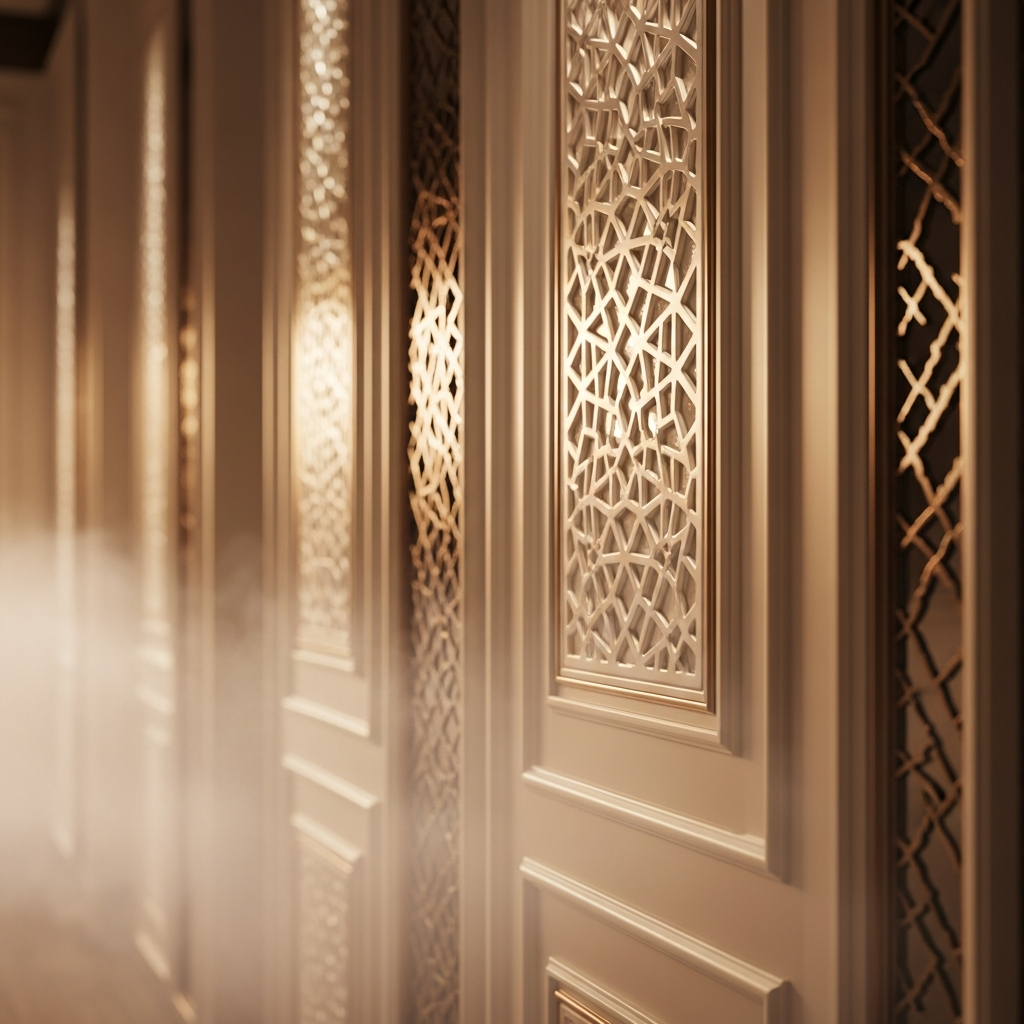
There are places where history feels less like a story and more like a living presence—a whisper caught between stone corridors, a shift of light across a gilded frame. Kungaslottet is exactly that kind of place. Tucked away from the clamor of daily life, this royal residence invites you to step beyond the velvet rope and into a world where every hallway seems to carry the memory of a different century. It is not merely a building; it is a layered narrative of power, art, and quiet intrigue, waiting for those curious enough to explore.
Walking through the grand entrance, the first thing that strikes you is the sheer weight of the atmosphere. The ceilings soar, the woodwork gleams with the patina of age, and the air itself feels thicker—scented with old paper, wax, and the faint echo of long-ago conversations. For the uninitiated, a visit can feel overwhelming. But that is precisely the charm. You are not just a tourist here; you become a temporary inhabitant of a story that has unfolded over generations. If you wish to plan your journey or simply want to delve deeper into what awaits within these walls, a convenient starting point is available at http://kungaslottetbet.com, which offers a practical overview of the estate’s many offerings.
What makes Kungaslottet stand out from other historic landmarks is not just its age, but the intimacy of its preservation. Many palaces have been stripped of their soul, converted into sterile museums where glass cases separate you from the past. Here, the approach is different. The furniture is arranged as it might have been on a quiet Tuesday morning in the 1800s. The books on the shelves are not props; they are weathered, annotated, and real. This authenticity invites a deeper connection, allowing you to imagine the daily rhythms of the royals who once called this place home.
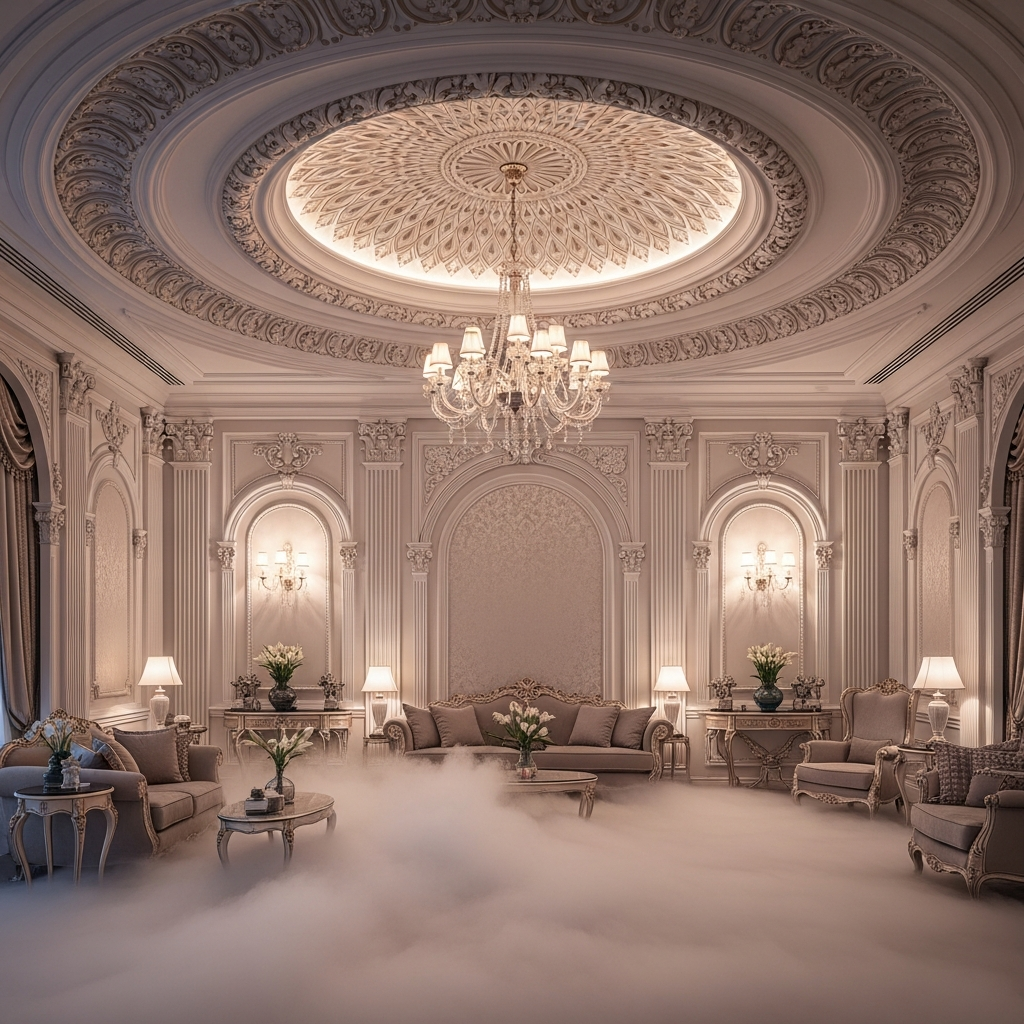
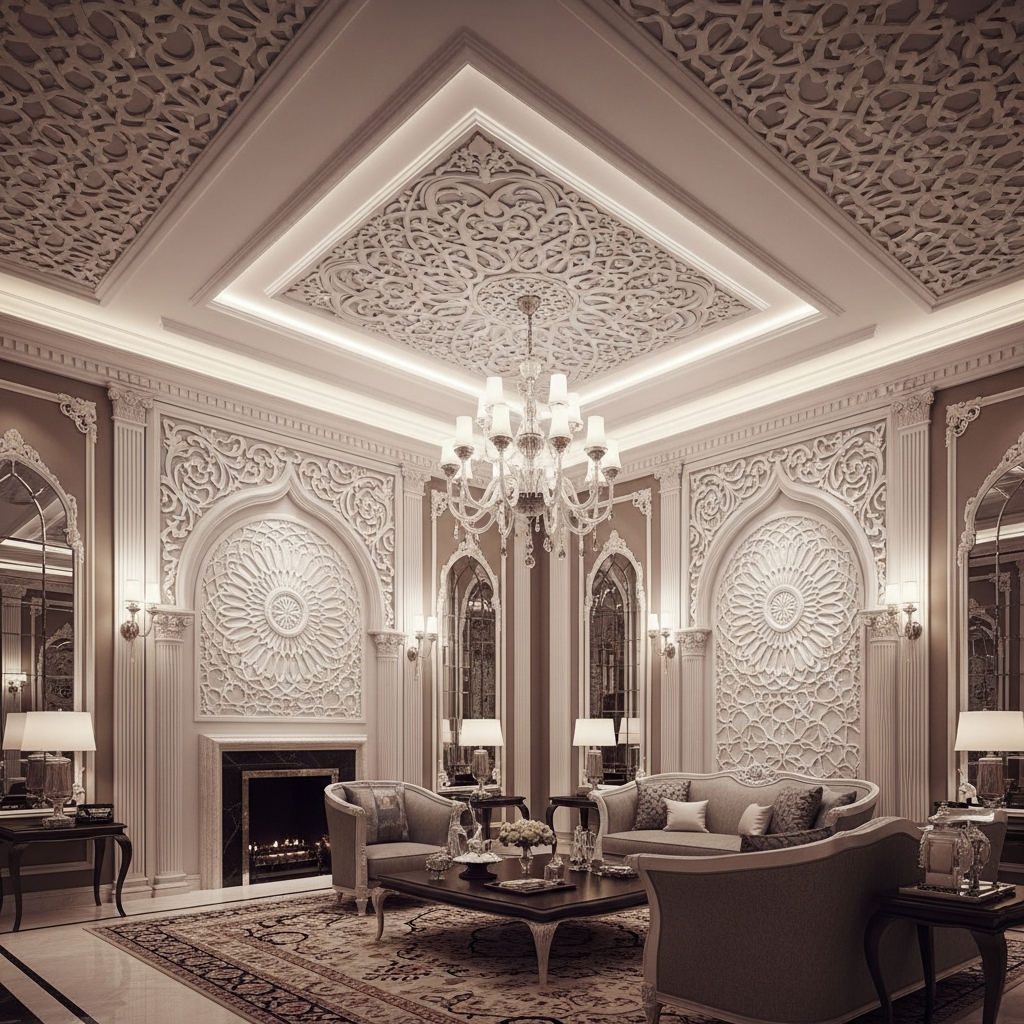
One of the most compelling aspects of the tour is the contrast between the public grandeur and the private vulnerability. The state rooms are, of course, breathtaking—chandeliers dripping with crystal, tapestries that dwarf the onlooker, and portraits that seem to follow you with their gaze. Yet, it is the hidden nooks that linger longest in the memory. A small writing desk by a window overlooking the gardens. A worn set of stairs leading to a modest chapel. These spaces remind you that kings and queens, for all their ceremony, still found solace in quiet corners.
A Tale of Two Wings: Where Grandeur Meets Domesticity
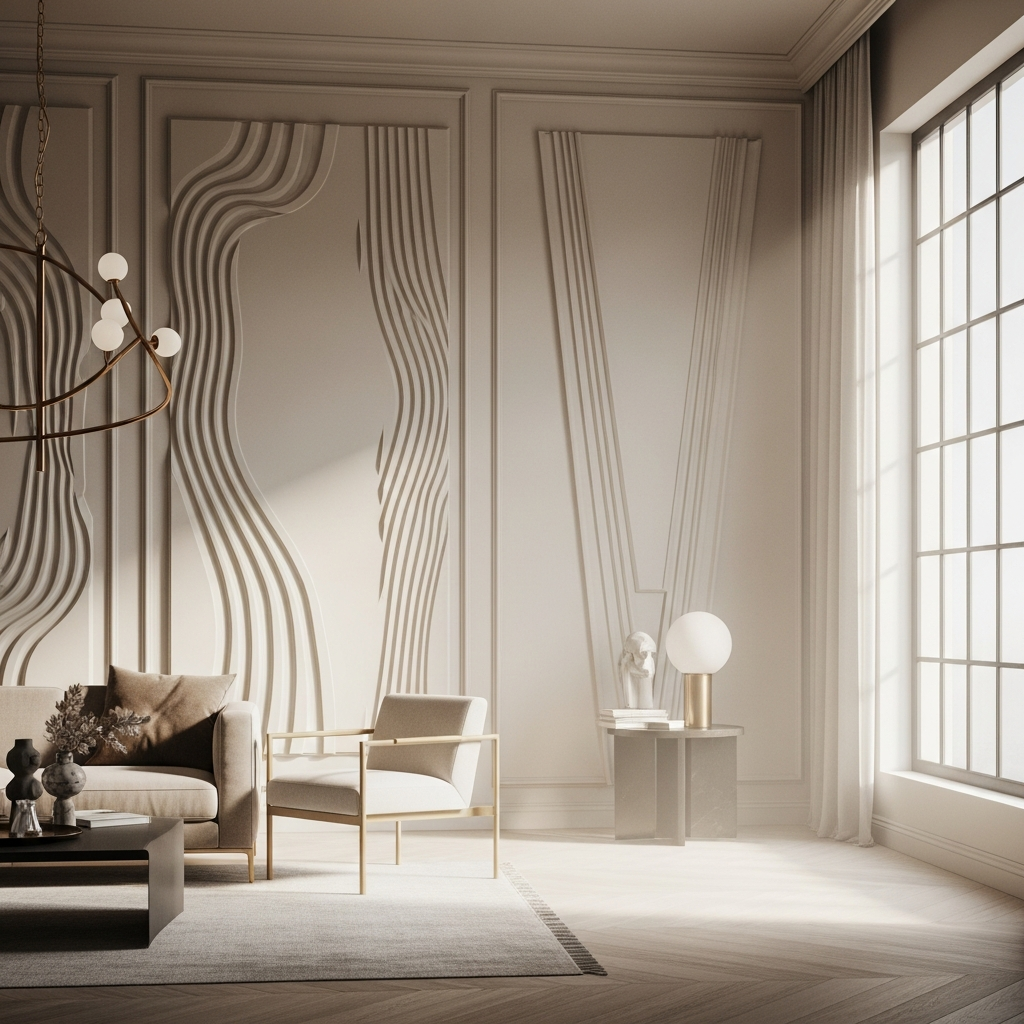
To truly understand the estate, one must look at its architectural duality. The East Wing is the stage—designed to impress diplomats, dazzle guests, and assert authority. The West Wing, in contrast, is the heart—a collection of private apartments, nurseries, and libraries where the family actually lived. This division offers a fascinating glimpse into the balancing act that royalty has always had to perform: the public persona versus the private self.
Comparing the Royal Spaces: Form vs. Function
| Feature | East Wing (Public) | West Wing (Private) |
|---|---|---|
| Primary Purpose | Ceremonial events, state banquets, official receptions | Daily living, family gatherings, private study |
| Interior Style | Opulent, symmetrical, heavily ornamented | Comfortable, warmer tones, more personal artifacts |
| Notable Spaces | The Throne Room, The Hall of Mirrors, The Grand Ballroom | The Reading Nook, The Morning Room, The Family Kitchen |
| Visitor Experience | Structured guided tours with specific viewing points | More open exploration allowed in certain sections |
| Atmosphere | Awe-inspiring, formal, slightly imposing | Intimate, reflective, unexpectedly relatable |
This contrast is not accidental. The architects and subsequent generations of royals understood that a palace must do more than shelter its inhabitants; it must communicate a narrative. The East Wing’s grandeur speaks of stability and power. The West Wing’s warmth speaks of humanity and continuity. Together, they form a complete picture of what it meant to wear the crown.
The Gardens and the Grounds: A Living Canvas
Beyond the stone and glass, the estate’s grounds are a masterpiece in their own right. The gardens are not merely decorative; they are a living record of changing tastes in landscape design. You can trace the formal, geometric parterres of the Renaissance era giving way to the more romantic, winding paths of the 19th century. Ancient oaks stand sentinel, while carefully curated flower beds add seasonal bursts of color.
Walking these paths, you understand why the royals spent so much time outdoors. There is a sense of freedom here that the confining walls cannot contain. It is easy to imagine a young prince learning to ride a pony on the manicured lawns, or a queen finding solace in the quiet of the rose arbor. For modern visitors, the grounds offer a welcome respite—a chance to breathe and reflect on what you have seen inside.
Key Highlights to Look For During Your Visit
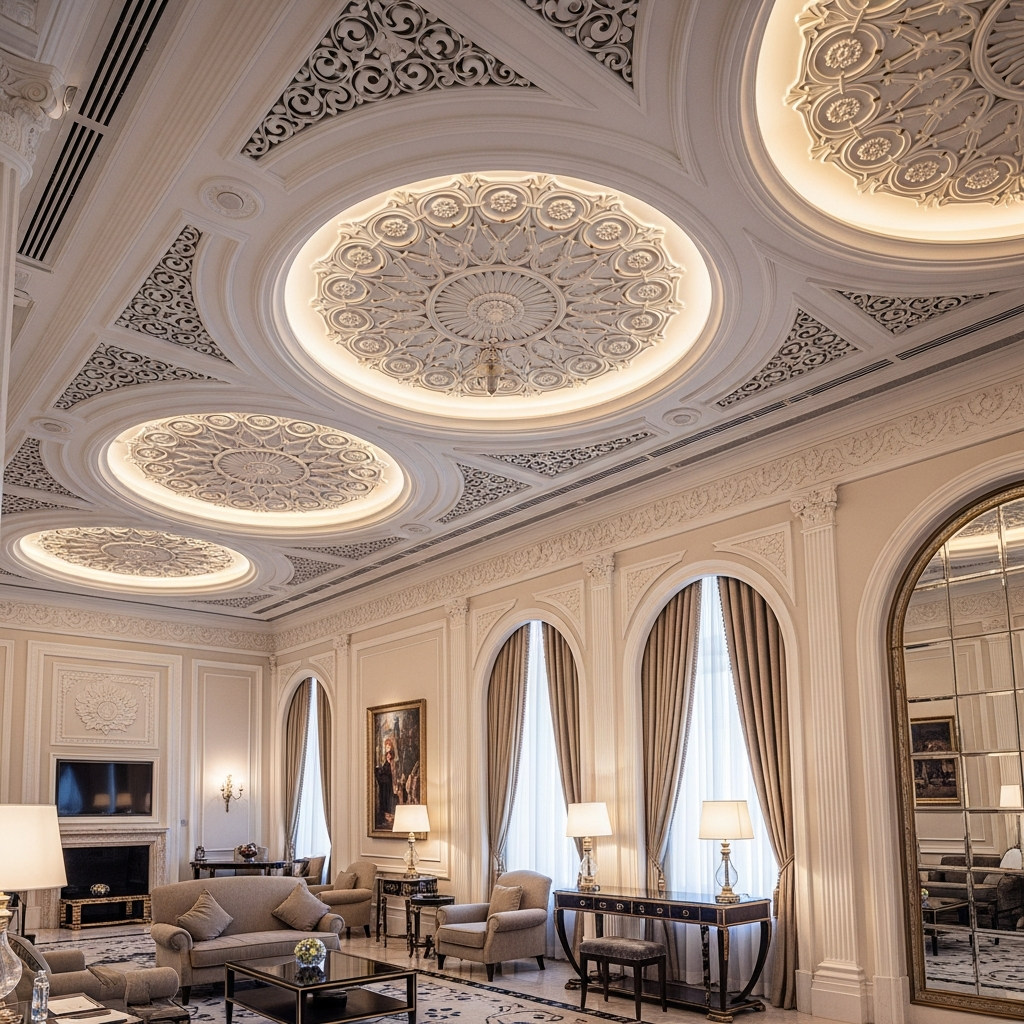
- The intricate ceiling frescoes in the antechamber, which depict scenes from classical mythology with surprising vibrancy.
- The secret passage behind the tapestry in the library, which once led to the servants’ quarters and is now a fascinating exhibit.
- The collection of royal carriages, which offers a peek into the logistics of travel in a bygone era.
- The small, unassuming balcony overlooking the courtyard, from which addresses were given during times of celebration.
- The preserved 18th-century pharmacy, complete with its original ceramic jars and handwritten remedy books.
As your tour concludes, you may find yourself lingering in the courtyard, reluctant to leave. That is the effect Kungaslottet has. It does not simply show you history; it allows you to feel its texture. You leave carrying not just photographs, but a sense of having touched something authentic. It is a rare gift, and one that makes the journey to this remarkable place entirely worthwhile.
Frequently Asked Questions
How long should I plan for a complete visit?
A thorough visit typically takes between three and four hours. This allows ample time for the guided tour of the East Wing, a more leisurely self-paced exploration of the West Wing, and a comfortable stroll through the gardens. Rushing is not recommended, as much of the charm lies in the details.
Are there guided tours available, and are they worth it?
Yes, guided tours are available and highly recommended, especially for first-time visitors. The guides are exceptionally knowledgeable and share anecdotes and historical context that you would not discover on your own. That said, the audio guide is also an excellent option for those who prefer to move at their own pace.
Is photography allowed inside the palace?
Photography without flash is generally permitted in most public areas of the East Wing. However, restrictions apply in the private apartments of the West Wing to protect sensitive textiles and artworks. The gardens, of course, offer endless opportunities for stunning photographs.
What is the best time of year to visit?
Each season offers a unique perspective. Late spring and early autumn provide the best weather for enjoying the gardens. Winter visits offer a more intimate experience, as the palace is quieter and the interiors feel particularly cozy against the cold. Summer is vibrant but the most crowded.
Are there dining options on the grounds?
Yes, there is a charming café located within one of the former stable buildings. It offers light lunches, traditional pastries, and excellent coffee. It is a perfect spot to rest before or after your tour.
Kungaslottet is more than a monument; it is a mausoleum of memories, a theater of history, and a home all at once. Whether you come for the art, the architecture, or the simple pleasure of walking through the past, you will find that its secrets are not locked away in vaults. They are painted on the ceilings, woven into the tapestries, and etched into the very floorboards. All you have to do is step inside and listen.